Why Your Tire Health Matters More Than You Think
That slight vibration you feel while cruising down I-20 isn't just an annoyance—it is your vehicle desperately trying to tell you something. Every single day, drivers risk severe accidents, hydroplaning, and expensive mechanical breakdowns simply by ignoring the deteriorating condition of their wheels. Good rubber is the only thing separating your two-ton vehicle from the harsh Texas asphalt, making it the single most critical safety component on your car.
Whether you are running errands around Big Spring or commuting long distances for work, worn treads drastically reduce your braking distance. They compromise your steering handling, increase your risk of hydroplaning during sudden downpours, and can even severely impact your daily fuel economy. Before frantically pulling out your phone to search for a tire shop near me, it is absolutely vital to understand exactly what is happening where the rubber meets the road.
Many drivers push their vehicles to the absolute limit, waiting for a catastrophic failure before taking action. By learning to read the subtle symptoms of structural breakdown, you can replace your equipment on your own schedule, avoid expensive tow trucks, and ensure the safety of your passengers.
5 Critical Warning Signs You Cannot Ignore
It is remarkably easy to take your vehicle's footprint for granted until you are sliding through a wet intersection or stranded on the shoulder with a blowout. Here are five undeniable indicators that it is time to start looking for tires for sale:
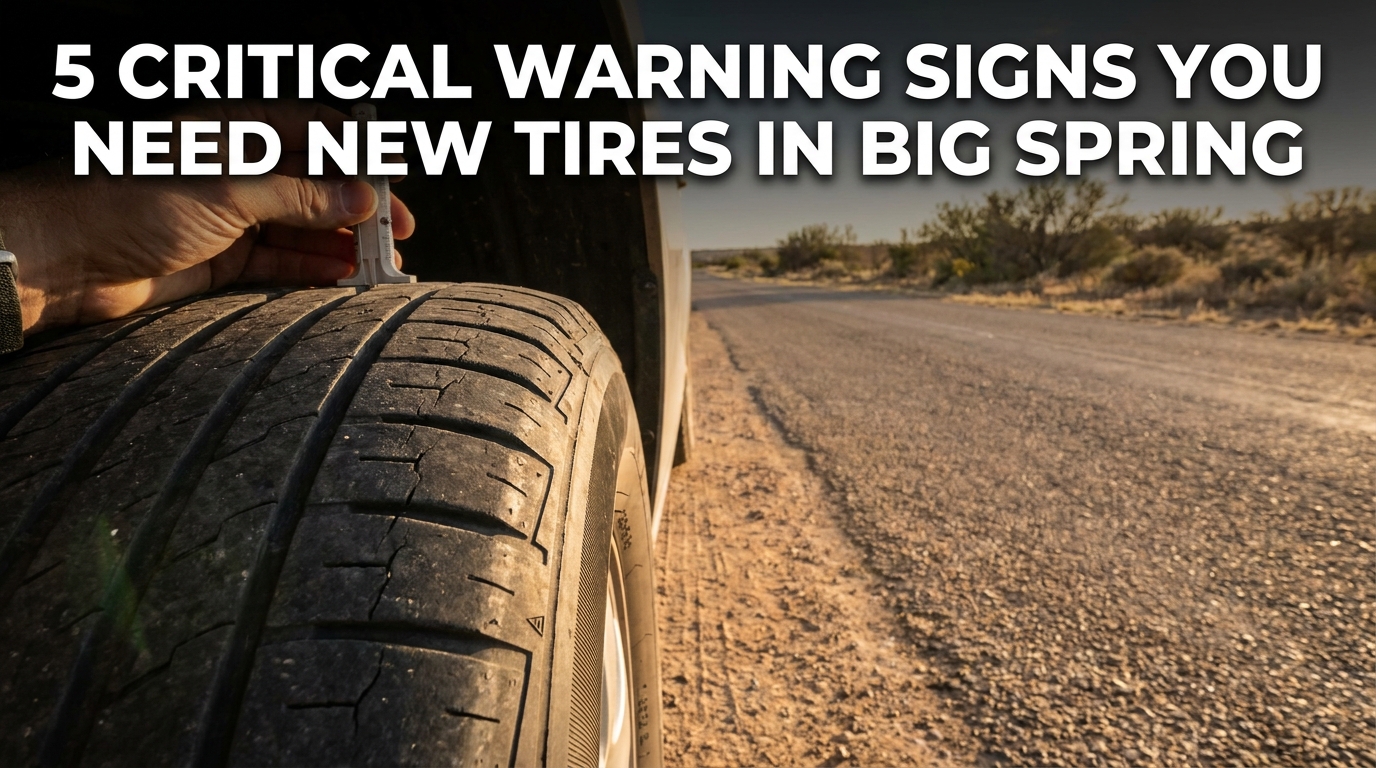
- Dangerously Low Tread Depth: The classic penny test is still an industry standard for a reason. Insert a penny into your tread groove with Lincoln's head pointing down. If you can see the top of his head, your treads are worn below the legally safe limit of 2/32 of an inch. You need an immediate replacement to maintain traction.
- Sidewall Cracks and Deep Fissures: Texas heat is notoriously brutal, effectively baking the moisture out of the rubber compounds over time. Visible dry rot, cracks, or deep cuts on the sidewall indicate structural degradation. These weaknesses are the leading cause of sudden, dangerous blowouts at highway speeds.
- Unusual Blisters or Bulges: When the internal framework of the rubber gets damaged—often from hitting a deep pothole or striking a curb—the air pressure forces the outer layers to bulge outward. This is a severe structural failure, and driving on a bulging sidewall is incredibly dangerous.
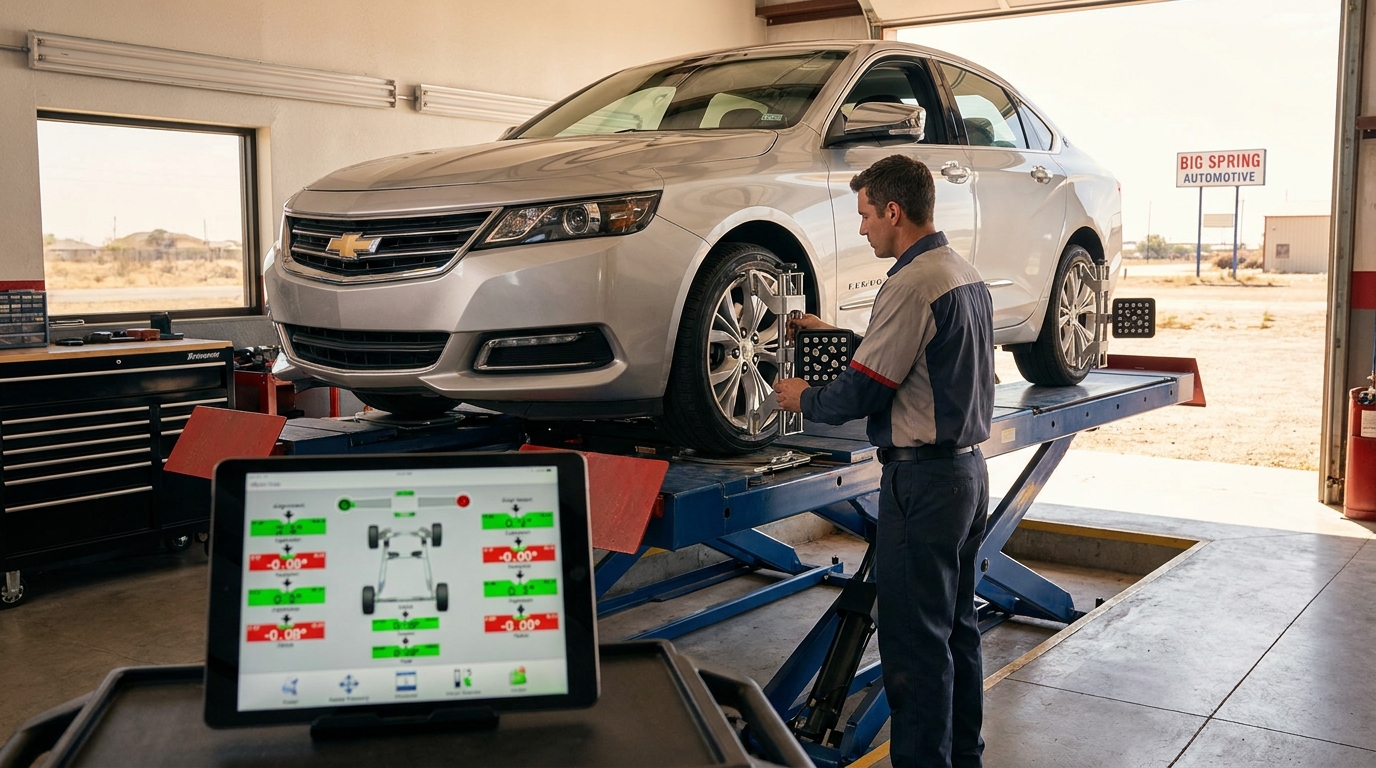
- Uneven Wear Patterns: Take a close look at the surface of your treads. If one edge is completely bald while the other looks brand new, or if you notice a cupping pattern, your vehicle is suffering from steering or suspension geometry issues. This typically means you need to look up tire alignment near me immediately to fix the root cause before installing new wheels.
- Constant Air Pressure Loss: If your tire pressure monitoring system is a permanent fixture on your dashboard, you have a problem. While a slow leak can sometimes be patched by visiting a professional tire repair near me, older rubber with consistent, unexplained air loss has usually suffered from micro-punctures or bead seal failure, requiring a total swap.
How Big Spring Weather Accelerates Wear and Tear
West Texas weather is exceptionally tough on automotive components. The blistering summer heat creates scorching asphalt temperatures that accelerate the chemical breakdown of rubber. This heat expansion increases internal pressure, putting immense stress on older, weakened sidewalls. Conversely, sudden winter cold snaps cause air pressure to drop significantly overnight. Driving on under-inflated wheels flexes the sidewall excessively, generating internal heat and causing irreversible structural damage.
When navigating these extreme temperature swings, choosing the correct rubber compound is essential. Most local drivers benefit immensely from high-quality all-season tires, which are specifically engineered to provide reliable grip and durability through 100-degree August afternoons and freezing January mornings. However, if your job requires you to frequently travel north to colder, snowy climates during the winter months, you should consider researching the best winter tires to ensure maximum safety and traction on icy terrain.
How to Maximize Your Investment and Prevent Early Replacement
Proactive automotive maintenance does not just keep you safe; it keeps hard-earned money in your bank account. The long-term costs of neglecting your wheels—including suspension damage, poor fuel efficiency, and potential accident deductibles—far outweigh the initial investment of a fresh set. Whether you are hunting for premium brand names or reliable used tires near me, proper ongoing maintenance dictates exactly how long your investment will last.
Follow these essential best practices to dramatically extend the life of your vehicle's footprint:
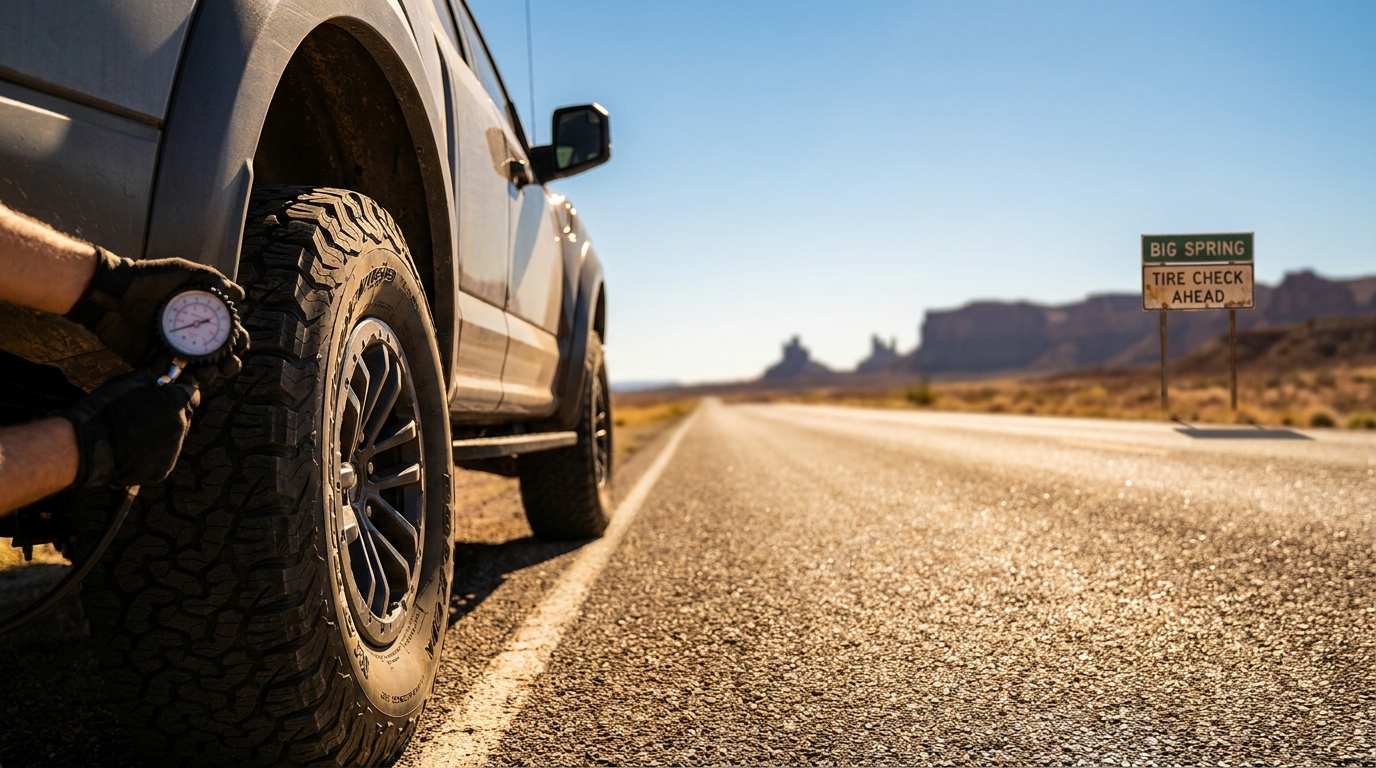
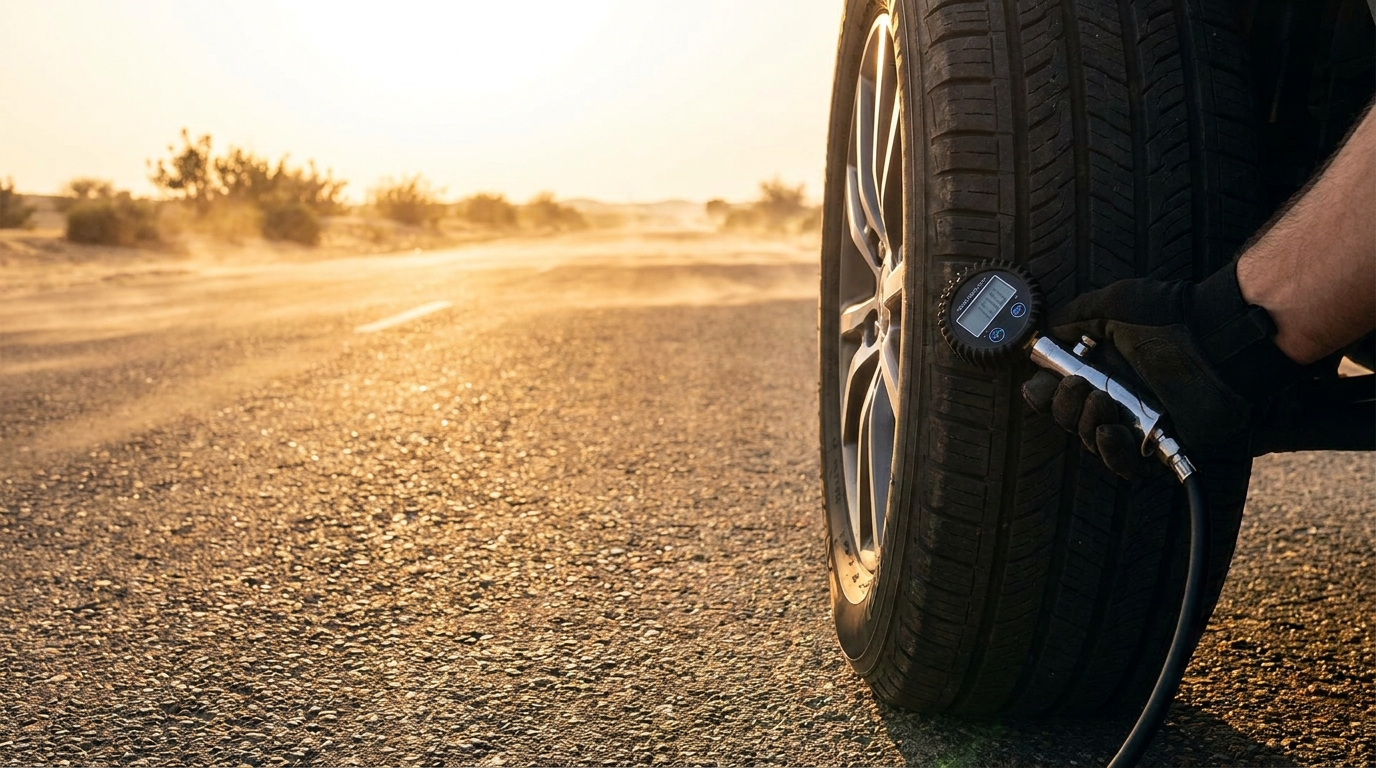
- Check your air pressure at least once a month using a high-quality manual gauge, making sure to measure when the vehicle has been parked for a few hours.
- Rotate your wheels every 5,000 to 7,000 miles to promote perfectly even tread wear across all four corners.
- Schedule routine suspension checks and wheel alignments, especially if you regularly drive on rough county roads, dirt paths, or heavily potholed streets.
- Perform a quick visual inspection every time you fill up your gas tank, keeping an eye out for embedded nails, screws, or abnormal wear.
Finding Quality Replacements Without the Stress
Recognizing the warning signs is only half the battle; finding a trustworthy, local automotive expert to guide your purchase is the other. You do not want to rely on the absolute cheapest option you find when searching for a generic tire shop. You need seasoned, ASE-certified technicians who truly understand the specific payload needs of your truck or the commuting demands of your sedan.
Instead of endlessly scouring the internet for questionable tire deals, partner with transparent professionals who prioritize your family's safety. Expert technicians will measure your exact tread depth, evaluate your wear patterns, and offer honest advice about whether you need a simple patch, an alignment correction, or a complete set of tires.
Do not wait until a minor highway vibration evolves into a catastrophic roadside blowout. If you have noticed any of these five critical warning signs, the experienced technicians at Don's Tire are here to help. Proudly serving the Big Spring community, we provide expert safety inspections, professional repairs, and top-tier replacements tailored to your specific vehicle and budget. Stop by Don's Tire today for personalized, transparent service that will keep you rolling safely for miles to come.